You've booked it. The dates are locked in. Your first multi-day hiking adventure awaits, and suddenly that little voice in your head starts asking: "Am I actually ready for this?"
Here's the truth: you don't need to be an elite athlete to enjoy a multi-day hiking tour. But the fitter you are, the more you'll savor every moment instead of just surviving each step.
What you're training for
As we explored in our guide to how hard our hikes are, multi-day hiking demands more than just walking fitness. You're preparing for consecutive days of hiking (3-7 days), varied terrain from well-maintained gravel tracks to more advanced tramping surfaces with mud and roots, elevation gains ranging from gentle 150m climbs to challenging 500m+ ascents, and carrying a 4-6kg daypack through different weather conditions.
The good news? With 12 weeks of focused preparation, your body will adapt beautifully.
The 12-week plan structure
This plan builds in four progressive phases of three weeks each, gradually increasing your endurance and strength. Each week includes 3-4 walking sessions, 2 strength sessions, and 1-2 essential rest days.
Phase 1: Building the Foundation (Weeks 1-3)
Walking: Start with 30-45 minute walks twice weekly on flat terrain at a conversational pace, plus one 60-minute weekend walk on slightly undulating ground. Wear your hiking boots from day one to break them in properly.
Strength (20-30 minutes, twice weekly): Focus on squats, lunges, calf raises, glute bridges, planks, and side planks. Start with 3 sets of 12-15 reps for each exercise.
Key focus: Consistency over intensity. If you're new to exercise, start conservatively. This phase is about establishing the habit and breaking in those boots.
Phase 2: Building Endurance (Weeks 4-6)
Walking: Increase to 45-60 minute walks including gentle inclines, plus a weekend long walk of 90-120 minutes with some elevation gain (aim for 100-200m total). Start carrying a light daypack (3-4kg) and practice eating something every hour.
Strength: Continue Phase 1 exercises but increase to 4 sets. Add single-leg exercises like single-leg deadlifts and step-ups onto a bench.
Key focus: Your weekend long walk is the cornerstone. Don't increase duration and intensity at the same time. Start experimenting with hiking snacks to see what your stomach tolerates.
Phase 3: Building Strength and Resilience (Weeks 7-9)
Walking: Two 60-minute hill walks weekly, plus a 2-3 hour weekend walk with 200-300m elevation gain. Increase pack weight to 5-6kg (your actual tour weight) and seek out varied terrain with rocks and roots. Crucially, do one back-to-back walking weekend—90+ minutes on both Saturday and Sunday to understand what tired legs feel like.
Strength: Add hiking-specific exercises like step-ups onto higher platforms, decline lunges for downhill control, and farmer's carries to simulate pack carrying.
Key focus: This is where the magic happens; your body is adapting to sustained effort. Practice your complete hiking outfit including socks, boots, and layering system.
Phase 4: Peak and Taper (Weeks 10-12)
Weeks 10-11 (Peak): Two 60-75 minute challenging hill walks weekly, plus a 3-4 hour weekend walk with 300-400m elevation gain carrying full pack weight. Do back-to-back walks twice during these weeks (Saturday 2-3 hours, Sunday 1.5-2 hours) to simulate consecutive tour days.
Week 12 (Taper): Drop to 45-minute easy walks and one 60-90 minute moderate walk. Light mobility and stretching only for strength work. Trust the work you've done and resist the urge to squeeze in extra training.
Key focus: Your peak long walk should feel challenging but manageable. Use taper week to organize gear, get good sleep, and build excitement.
The essential extras
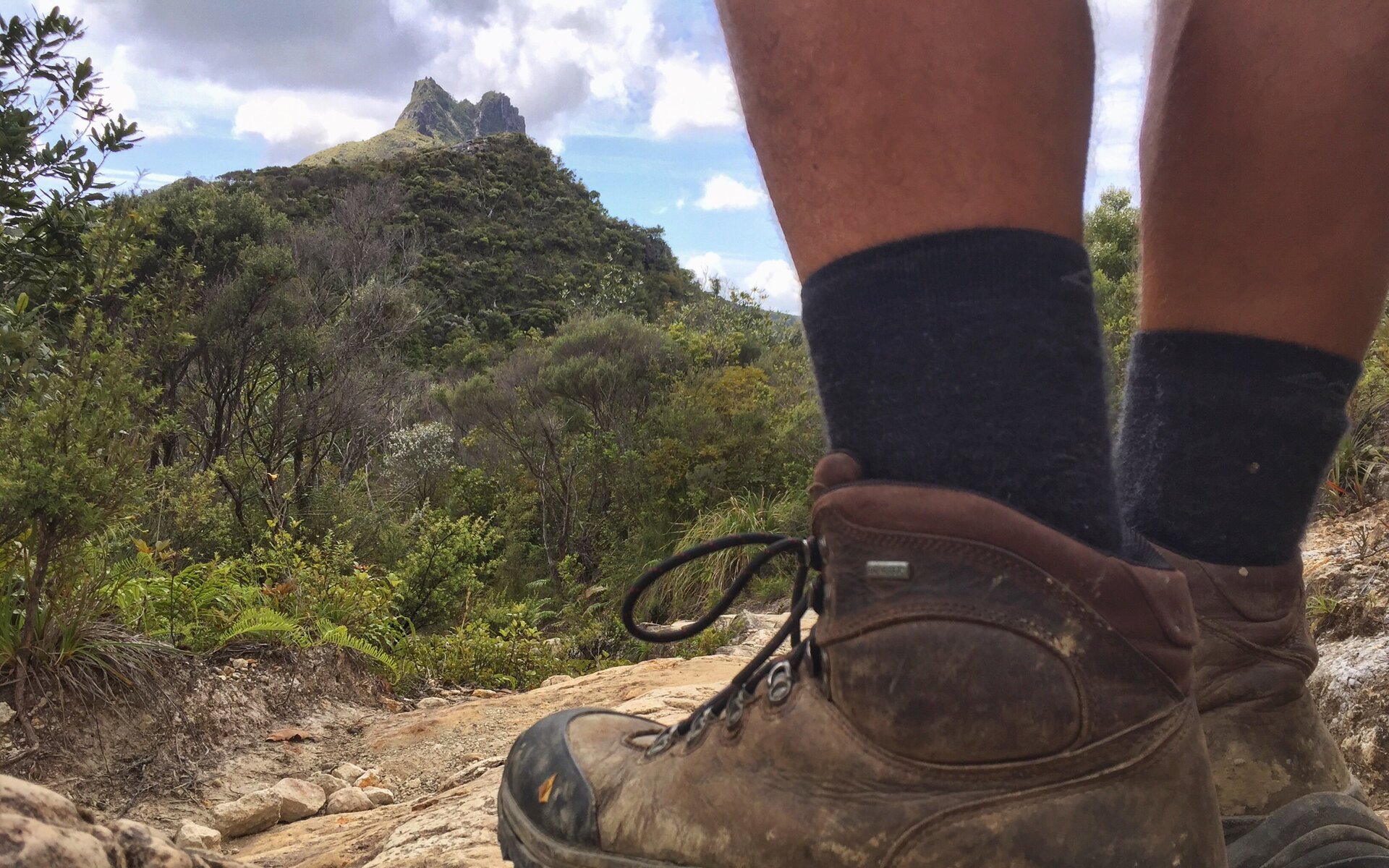
Footwear: Sturdy hiking boots with reliable tread are essential for New Zealand conditions. Break them in on at least 8-10 walks before your tour. Trail runners might work overseas, but not here, especially in our shoulder seasons when tracks are often wet.
Hydration: Carry at least 1 liter per two hours of hiking. Practice drinking before you feel thirsty during training.
Fueling: Eat a substantial breakfast 1-2 hours before walking and bring real food on longer walks, sandwiches, fruit, nuts, cheese. Practice eating every hour on walks over 90 minutes, even if you're not hungry.
Cumulative fatigue: Multi-day hiking is different because the fatigue accumulates. Those back-to-back walking weekends are invaluable; they give you a taste of what consecutive days demand and help you learn what aids your recovery.
Adjusting the plan for you
Already quite fit? Start at Phase 2 or 3 and focus more on terrain specificity and consecutive days. New to exercise? Extend Phase 1 to 4-5 weeks and don't hesitate to repeat weeks if needed. Have injuries or conditions? Consult your healthcare provider before starting and modify exercises accordingly.
You're on track if: Walking feels easier each week, you recover well between sessions, you're sleeping well, and you're looking forward to your sessions rather than dreading them.
Final thoughts
The beauty of proper preparation is that it transforms your hiking experience from an endurance test into pure enjoyment. When you're fit enough for the challenge, you can actually notice the nikau palms overhead, taste the salt spray on coastal sections, and fully engage with your fellow hikers and guides.
You'll have the energy at the end of each day to enjoy our incredible meals and wake each morning with genuine excitement for what the day's trail will reveal.