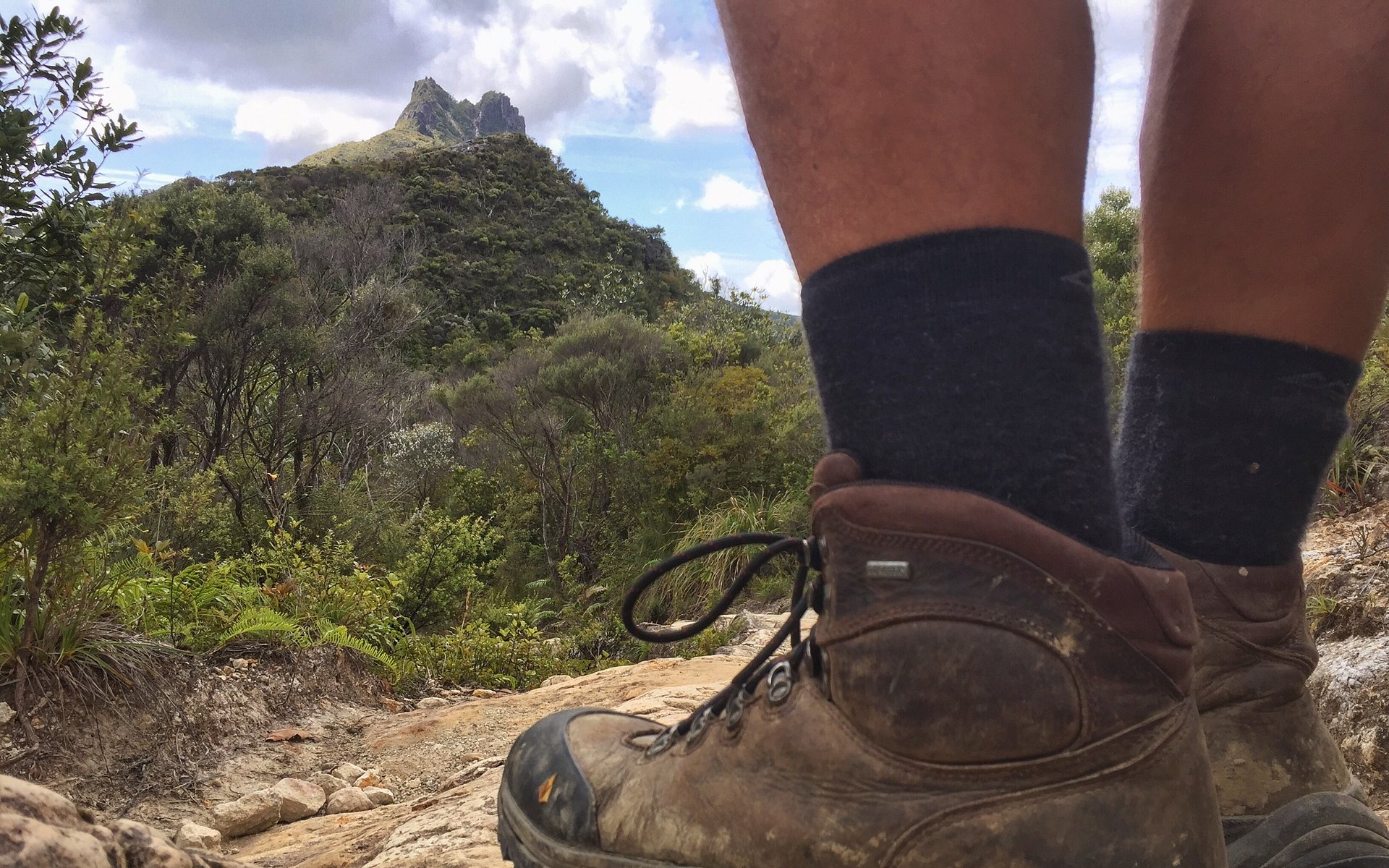
We have been bringing our walkers to Sanctuary Mountain Maungatautari for years now, and every single visitor comments on how special the pristine environment is there. About twenty minutes in, when the understorey thickens and the air turns cool and old, you become aware that you are somewhere genuinely apart from the rest of the world.
The 47 kilometres of pest-proof fence encircling this ancient Waikato mountain protects it's native inhabitants from introduced pests. Inside that fence, something extraordinary has been quietly unfolding for two decades, and walking through it with our guests is one of the privileges at the heart of what we do at Nature and Nosh.
A community that refused to give up
The story of Sanctuary Mountain begins with a group of people who simply wouldn't accept that things couldn't be different. The maunga, an ancient eroded volcano sitting at the heart of the Waikato basin, had been recognised as a reserve since 1912, but recognition alone doesn't stop a stoat or a possum. By the time the Maungatautari Ecological Island Trust was formed in 2001, the forest was carrying the full burden of New Zealand's introduced predator problem, with rats, stoats and possums working relentlessly through canopy and understorey alike.
What followed was one of the most ambitious community conservation projects New Zealand has ever seen. Iwi, landowners, local residents and community members came together around a shared vision: to completely enclose the mountain with a pest-proof fence and give the ecosystem a genuine chance to recover. They raised $14.5 million, installed 47 kilometres of Xcluder fencing, and set about the painstaking work of eradicating fourteen mammal species from within its boundary. The results have been nothing short of astonishing, and now the sanctuary is the largest mainland ecological island in the world.
Three thousand kiwi and growing
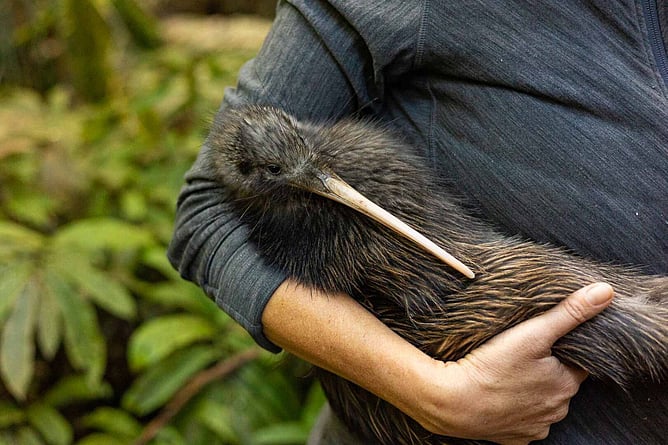
Numbers can feel abstract when you're talking about conservation, but stand in the southern enclosure on a still morning and the numbers become birds. Kiwi, absent from Maungatautari for an estimated century before the sanctuary was established, have now grown to a population of around 3,000, and the trust has translocated more than 800 of them to support wild populations elsewhere in the North Island, including 80% of the kiwi now living in Wellington's hills. North Island kākā breed here so successfully that flocks of 26 have been recorded at once, and species like kōkako, hihi and takahē, teetering at the edge of survival elsewhere, simply thrive inside this fence.
The Tautari Wetland, gifted to the Trust in 2005 by the Tauroa family, holds its own kind of wonder. A purpose-built tuatara habitat was created from scratch here, planted for shade, layered with mulch for insects, fitted with a boardwalk and viewing platform over still water. Tuatara were extinct on mainland New Zealand by the time Europeans arrived. Our guests stand quietly at that platform and watch one bask, and very few of them have words for it afterwards.
Why we keep coming back
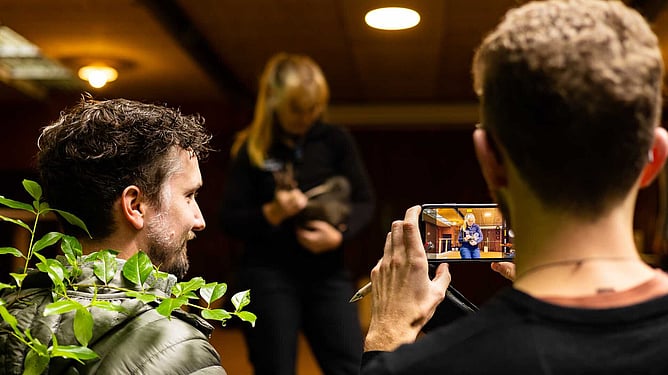
Nature and Nosh runs small-scale, hyper-niche conservation tours, and Maungatautari is close to the heart of that philosophy. What we love most about this place is not simply that it is beautiful, though it absolutely is. It is that it is meaningful in a way that reaches people deeply. When you walk inside the fence, you are not watching conservation from a safe distance. You are inside an active, living restoration, surrounded by birds that are there because of decades of sustained community belief and hard work. That context changes how people listen, how they look, and what they carry home long after the walk is over.
We are proud to have Sanctuary Mountain as part of our world, and proud to keep returning to it with the people we guide. There is always more to hear.